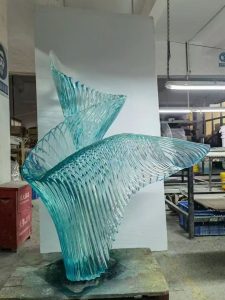
Restorasi patung lebih dari sekadar memperbaiki patung yang rusak - restorasi adalah disiplin khusus yang memadukan seni, sains, dan keahlian untuk menghidupkan kembali karya seni yang rusak atau memburuk. Dari kuno patung perunggu lapuk oleh paparan selama berabad-abad, hingga modern patung baja tahan karat tergores oleh lingkungan perkotaan, para ahli restorasi melestarikan mahakarya ini untuk generasi mendatang.
Dalam panduan komprehensif ini, kami akan memandu Anda melalui proses restorasi patung yang lengkap - mencakup teknik untuk setiap bahan utama, prinsip-prinsip profesional yang memandu para konservator, tantangan di dunia nyata, dan tips praktis untuk membantu Anda melindungi patung Anda sendiri.
Daftar Isi
- Mengapa Restorasi Patung Itu Penting
- 3 Prinsip Inti yang Harus Diikuti Setiap Restorasi
- Proses Pemulihan Profesional 7 Langkah
- Teknik Restorasi Spesifik Material
- Bagaimana Memilih Ahli Restorasi yang Tepat
- Perawatan Pencegahan: Cara Menghindari Restorasi yang Mahal
- Pertanyaan yang Sering Diajukan
Mengapa Restorasi Patung Itu Penting
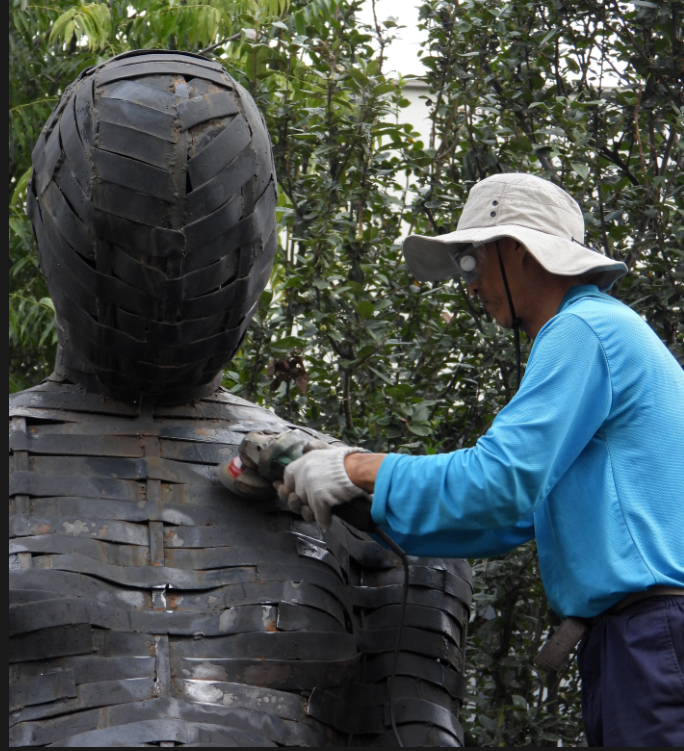
Setiap patung - baik yang dipajang di museum, taman kota, atau taman pribadi - menghadapi pertempuran konstan melawan waktu dan elemen-elemennya. Inilah alasan mengapa restorasi profesional sangat penting:
Melestarikan Warisan Budaya dan Sejarah
Banyak patung yang merupakan catatan sejarah dan pencapaian artistik manusia yang tak tergantikan. Tugu peringatan perang dari perunggu yang berkarat atau patung marmer yang retak tidak hanya kehilangan keindahannya, tetapi juga berisiko kehilangan cerita, teknik, dan makna budaya yang tertanam dalam pembuatannya. Restorasi melindungi warisan tersebut.
Mencegah Kerusakan Struktural yang Tidak Dapat Dipulihkan
Kerusakan permukaan sering kali merupakan tanda peringatan akan adanya masalah yang lebih dalam. Pertimbangkan ini: retakan kecil pada garis rambut di patung batu dapat menyerap air hujan. Pada musim dingin, air tersebut membeku, mengembang sekitar 9%, dan melebarkan retakan. Selama beberapa siklus pembekuan dan pencairan, patung ini benar-benar dapat terbelah. Restorasi awal menghentikan siklus destruktif ini sebelum terlambat.
Melindungi Investasi Anda
Bagi para kolektor dan bisnis, patung merupakan investasi finansial yang signifikan. Patung yang dipelihara dengan baik dan direstorasi secara profesional akan mempertahankan - dan sering kali meningkatkan - nilai pasarnya. Sebaliknya, pengabaian dapat mengurangi nilai sebuah karya seni secara dramatis.
Mempertahankan Integritas Artistik
Setiap patung mencerminkan visi penciptanya - tekstur khusus dari permukaan marmer yang dipahat dengan tangan, patina hangat dari perunggu tua, hasil akhir yang seperti cermin dari baja tahan karat yang dipoles. Reparasi amatir sering kali merusak kualitas ini. Restorasi profesional mempertahankan maksud asli sang seniman sekaligus mengatasi kerusakan.
3 Prinsip Inti yang Harus Diikuti Setiap Restorasi
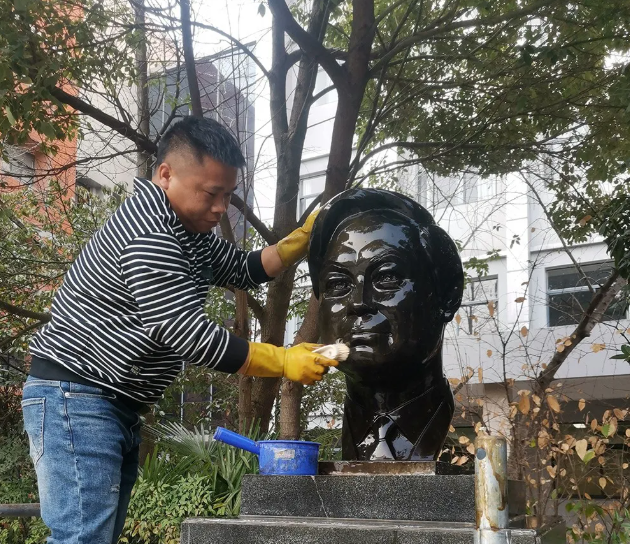
Konservasi patung profesional diatur oleh prinsip-prinsip etika yang diakui secara internasional. Memahami hal ini akan membantu Anda mengevaluasi pendekatan pemulih:
1. Intervensi Minimal
“Lakukan sebanyak yang diperlukan, sesedikit mungkin.”
Hanya menangani kerusakan yang mengancam stabilitas struktural atau sangat membahayakan penampilan patung. Restorasi yang berlebihan - membuat patung berusia 200 tahun terlihat baru - dianggap sama berbahayanya dengan kerusakan aslinya, karena akan menghapus tanda-tanda otentik usia dan sejarah.
2. Dapat dibalik (reversibilitas)
“Perbaikan hari ini jangan sampai menjadi masalah di hari esok.”
Semua bahan dan teknik yang digunakan dalam restorasi harus dapat dilepas di masa depan tanpa merusak permukaan aslinya. Ilmu konservasi terus berkembang, dan para ahli di masa depan dapat mengembangkan metode yang lebih baik. Reversibilitas memastikan pintu tetap terbuka.
3. Dapat diidentifikasi
“Restorasi yang jujur, bukan pemalsuan.”
Area yang direstorasi harus menyatu secara harmonis dengan aslinya dari jarak pandang normal, tetapi dapat dibedakan dengan pemeriksaan profesional yang cermat. Hal ini untuk menghormati sejarah otentik patung dan mencegah kesan yang keliru mengenai kondisi aslinya.
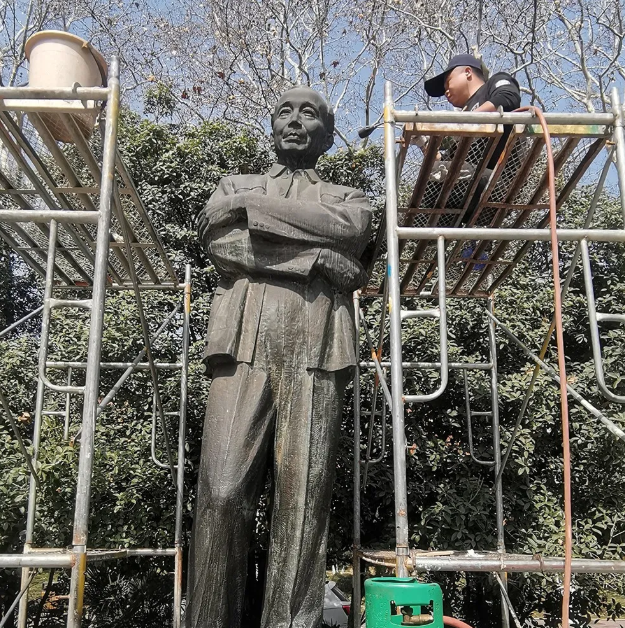
Proses Pemulihan Profesional 7 Langkah
Apa pun bahannya, restorasi profesional mengikuti alur kerja yang sistematis:
Langkah 1: Penelitian Historis
Sebelum menyentuh patung, konservator menyelidiki latar belakangnya - seniman, tanggal pembuatan, bahan asli, upaya restorasi sebelumnya, dan foto-foto bersejarah yang menunjukkan kondisi aslinya. Penelitian ini secara langsung menginformasikan setiap keputusan selanjutnya.
Langkah 2: Penilaian Kondisi
Pemeriksaan fisik yang menyeluruh dan terkadang secara ilmiah mengidentifikasi setiap bentuk kerusakan:
- Inspeksi visual untuk retakan, keretakan, korosi, pertumbuhan biologis, kehilangan cat, dan perbaikan sebelumnya
- Pencitraan fluoresensi UV untuk mengungkap perekat dan lapisan lama yang tidak terlihat dengan mata telanjang
- Pemindaian sinar-X atau CT untuk retakan internal dan kelemahan struktural pada bagian yang bernilai tinggi
- Analisis material (misalnya, spektrometri XRF) untuk mengidentifikasi komposisi paduan atau jenis batu yang tepat
Langkah 3: Pengembangan Rencana Perawatan
Konservator membuat rencana terperinci yang menentukan:
- Kerusakan mana yang akan ditangani (dan mana yang sengaja dibiarkan - seperti patina yang stabil dan menarik)
- Bahan dan metode yang tepat untuk digunakan
- Hasil yang diharapkan dan risiko yang terkait
- Garis waktu dan perkiraan biaya
Langkah 4: Membersihkan
Menghilangkan kontaminan permukaan sering kali merupakan langkah yang paling transformatif. Metode disesuaikan secara hati-hati dengan bahannya:
| Metode | Terbaik untuk | Bagaimana cara kerjanya |
|---|---|---|
| Air suling + sikat lembut | Permukaan yang halus (marmer, permukaan yang dicat) | Menghilangkan kotoran yang lepas dengan lembut |
| Surfaktan non-ionik | Pembersihan umum | Mengurai kotoran tanpa meninggalkan residu |
| Tusuk jarum (poulticing) | Noda dalam pada batu berpori | Pasta penyerap menarik kontaminan keluar dari batu |
| Peledakan mikro cangkang kenari | Perunggu, logam | Peledakan bertekanan rendah menghilangkan endapan tanpa menggores |
| Pembersihan laser | Pekerjaan presisi pada batu, marmer | Menguapkan pertambahan permukaan tanpa kontak fisik |
| Pelarut kimia | Menghapus lapisan lama, perekat | Diuji pada area kecil terlebih dahulu untuk memastikan keamanan |
Langkah 5: Perbaikan Struktural
Langkah ini mengatasi kerusakan fisik:
- Perbaikan retak: Menyuntikkan perekat epoksi atau akrilik tingkat konservasi
- Pemasangan kembali: Menggabungkan kembali pecahan yang rusak dengan perekat, terkadang diperkuat dengan pin baja tahan karat yang tersembunyi
- Konsolidasi: Menerapkan konsolidan penetrasi untuk memperkuat permukaan yang runtuh (umum terjadi pada batu dan kayu yang lapuk)
- Penggantian suku cadang yang hilang: Memahat atau menuang elemen baru dengan menggunakan bahan yang sesuai dengan periode. Hari ini, Pemindaian dan pencetakan 3D memungkinkan reproduksi yang sangat akurat dari komponen yang hilang berdasarkan bukti yang masih ada
Langkah 6: Penyelesaian & Perlindungan Permukaan
Penampilan patung yang dimaksudkan dipulihkan dan dilindungi:
- Aplikasi ulang patina pada perunggu dengan menggunakan reaksi kimia yang terkontrol
- Isi yang serasi dengan warna dipadukan untuk menyelaraskan dengan permukaan sekitarnya
- Lapisan pelindung - lilin mikrokristalin untuk perunggu, sealer bernapas untuk batu, lapisan bening tahan UV untuk permukaan yang dicat
Langkah 7: Rencana Dokumentasi & Pemeliharaan
Laporan lengkap yang dihasilkan, termasuk:
- Fotografi sebelum dan sesudah beresolusi tinggi
- Catatan terperinci dari semua materi, teknik, dan keputusan
- Jadwal perawatan yang disesuaikan (misalnya, aplikasi ulang lilin tahunan untuk perunggu luar ruangan)
- Rekomendasi untuk konservasi di masa depan
Teknik Restorasi Spesifik Material
Restorasi Patung Perunggu
Perunggu dihargai karena daya tahan dan patina yang kaya, tetapi menghadapi beberapa ancaman khusus:
Masalah Umum:
- Penyakit perunggu - siklus destruktif dari korosi yang disebabkan oleh klorida yang muncul sebagai bintik-bintik hijau terang yang berbentuk bubuk. Tidak seperti patina hijau yang stabil (yang bersifat protektif), penyakit perunggu secara aktif menggerogoti logam dan harus segera ditangani.
- Retak dan patah struktur akibat benturan atau tekanan internal
- Hilangnya lapisan pelindung karena polusi, hujan asam, atau pembersihan yang tidak tepat sebelumnya
Teknik Pemulihan:
- Penghapusan korosi yang tidak stabil secara mekanis dan kimiawi, dengan hati-hati menjaga patina alami yang diinginkan
- Perbaikan retakan melalui pengelasan khusus, mematri, atau perekat berkekuatan tinggi
- Menyusun ulang komponen yang hilang menggunakan metode lilin yang hilang - membuat model lilin, membuat cetakan keramik di sekelilingnya, melelehkan lilin, dan menuangkan perunggu cair ke dalam rongga
- Pengulangan menggunakan larutan kimia (misalnya, hati belerang, ferri nitrat) untuk menciptakan kembali warna asli
- Penyegelan dengan beberapa lapis lilin mikrokristalin untuk menciptakan penghalang kelembaban
Tip perawatan: Patung perunggu di luar ruangan harus mendapatkan aplikasi lilin baru setiap 12-18 bulan untuk menjaga perlindungan. Pelajari lebih lanjut dalam panduan kami tentang cara melestarikan patung luar ruangan.
Restorasi Patung Marmer & Batu
Patung batu - terutama marmer - memang indah namun rentan. Marmer berpori, berbahan dasar kalsit, dan sensitif terhadap asam.
Masalah Umum:
- Hujan asam yang melarutkan permukaan batu (marmer pada dasarnya adalah kalsium karbonat)
- Kolonisasi biologis - lumut, lumut, ganggang, dan bahkan akar pohon
- Pewarnaan besi dari pin perbaikan besi tua (tidak sesuai) yang berkarat dan mengembang, membuat batu retak dari dalam
- Sugaring - suatu bentuk disintegrasi permukaan di mana kristal marmer individu mengendur dan jatuh
Teknik Pemulihan:
- Pembersihan lembut dengan air suling; tapal obat (mengoleskan pasta kaolin, sepiolit, atau bubur kertas) untuk mengekstrak noda yang mengendap dalam
- Pembersihan laser untuk menghilangkan kerak gelap secara presisi tanpa menyentuh permukaan batu
- Mengisi kerugian dengan campuran khusus resin akrilik dan debu batu, dengan warna yang disesuaikan dengan aslinya
- Penguatan struktural dengan pin baja tahan karat atau fiberglass yang tidak berkarat (jangan pernah menyetrika)
- Menerapkan konsolidan yang dapat bernapas (seperti Paraloid B-72) untuk permukaan gula
- Finishing dengan lilin mikrokristal yang dapat bernapas atau anti air berbasis silan
Peringatan kritis: Jangan pernah menggunakan pembersih asam (cuka, jus lemon, pembersih kamar mandi komersial) pada marmer. Bahan-bahan tersebut akan melarutkan permukaan batu secara kimiawi, menyebabkan etsa permanen dan tidak dapat dipulihkan.
Restorasi Patung Baja Tahan Karat
Patung baja tahan karat termasuk yang paling tahan lama, tetapi tidak bebas perawatan - terutama di lingkungan pesisir atau industri.
Masalah Umum:
- Goresan permukaan yang menumpulkan lapisan reflektif
- Pewarnaan teh - perubahan warna coklat yang disebabkan oleh endapan garam di daerah pesisir
- Perubahan warna las atau kontaminasi akibat kontak dengan perkakas baja karbon selama pemasangan
- Korosi lubang yang terlokalisasi di mana lapisan oksida kromium pelindung terganggu
Teknik Pemulihan:
- Pemolesan progresif menggunakan bahan abrasif yang semakin halus (80-grit → 120 → 240 → 400 → mirror finish) untuk menghilangkan goresan
- Pasif kimiawi dengan larutan asam sitrat atau nitrat untuk memulihkan lapisan pelindung kromium oksida
- Pemolesan listrik untuk hasil akhir cermin yang unggul dan seragam pada bentuk yang rumit
- Menerapkan lapisan nano-keramik yang tidak terlihat untuk meningkatkan perlindungan pada instalasi di luar ruangan
Tip perawatan: Mencuci secara teratur dengan air tawar (terutama di daerah pantai) mencegah penumpukan garam dan menjaga hasil akhir. Baca panduan lengkap kami di cara membersihkan patung.
Restorasi Patung Fiberglass (FRP)
Patung fiberglass banyak digunakan untuk instalasi komersial, taman hiburan, dan seni publik karena keserbagunaannya yang ringan dan hemat biaya.
Masalah Umum:
- Degradasi UV - menyebabkan permukaan yang dicat menguning, berkapur, dan memudar
- Retak akibat benturan dan delaminasi lapisan fiberglass
- Infiltrasi air melalui area yang rusak, yang menyebabkan pembusukan internal pada angker penyangga
Teknik Pemulihan:
- Memperbaiki retakan pada bagian interior dengan kain fiberglass dan resin epoksi atau poliester, menjaga eksterior tetap mulus
- Persiapan permukaan lengkap: pengamplasan → pengisian → pelapisan dasar → pengecatan ulang dengan Cat kelas otomotif yang tahan UV
- Mengaplikasikan sealant lapisan bening dengan penghambat UV untuk retensi warna yang lebih lama
- Memperkuat struktur internal jika angker asli telah melemah
Restorasi Patung Kayu
Patung kayu menghadapi ancaman biologis yang tidak dihadapi oleh material lain.
Masalah Umum:
- Serangan serangga aktif (ulat kayu, kumbang bubuk, rayap)
- Busuk jamur akibat paparan kelembapan
- Pembengkokan, pembelahan, dan pengecekan yang disebabkan oleh fluktuasi kelembapan
- Kehilangan cat atau penyepuhan pada patung kayu polikrom
Teknik Pemulihan:
- Perawatan anoksik (kekurangan oksigen dalam ruang tertutup) atau fumigasi terkontrol untuk menghilangkan serangan serangga aktif tanpa residu bahan kimia
- Mengkonsolidasikan kayu yang lemah dengan meresapinya secara perlahan dengan resin akrilik yang diencerkan
- Elemen pengganti ukiran dari spesies kayu yang sama, dipasang dengan perekat yang dapat dibalik
- Untuk patung polikrom: menstabilkan cat yang mengelupas dengan perekat encer yang disuntikkan di bawah lapisan cat sebelum menekannya hingga rata
- Mempertahankan patina asli dengan menggunakan lapisan akhir tradisional - lilin lebah, lak, atau minyak biji rami yang sesuai
Restorasi Patung Kaca
Masalah Umum: Retak, serpihan, kekeruhan, dan delaminasi pada potongan kaca yang dilaminasi.
Teknik Pemulihan:
- Perekat dengan perekat yang jernih dan tahan UV yang hampir tidak terlihat setelah dioleskan
- Pemolesan permukaan dengan senyawa serium oksida untuk mengembalikan kejernihan optik
- Mengganti bagian yang rusak dan tidak dapat diperbaiki dengan kaca yang baru dibuat sesuai dengan warna, ketebalan, dan sifat optik aslinya
Restorasi Patung Resin
Masalah Umum: Warna kuning yang diinduksi oleh sinar UV, permukaan yang menguning (jaringan retakan halus), dan kerapuhan.
Teknik Pemulihan:
- Pengamplasan untuk menghilangkan lapisan permukaan yang menguning, diikuti dengan pemolesan progresif
- Mengisi retakan dengan resin segar yang disesuaikan dengan warna
- Pengecatan ulang dengan pigmen yang stabil terhadap sinar UV, disegel di bawah lapisan bening pelindung UV untuk mencegah kekuningan di masa depan
Bagaimana Memilih Ahli Restorasi yang Tepat
Tidak semua restorasi sama. Berikut ini adalah daftar periksa untuk membantu Anda menemukan seorang profesional yang berkualitas:
| Kriteria | Apa yang Harus Diperhatikan |
|---|---|
| Keahlian material | Pengalaman terdokumentasi dengan bahan khusus patung Anda |
| Kredensial profesional | Keanggotaan dalam AIC, IIC, ICOM-CC, atau badan konservasi nasional yang setara |
| Portofolio | Foto sebelum dan sesudah dari proyek-proyek serupa di masa lalu |
| Pendekatan etis | Mematuhi prinsip intervensi minimal dan reversibilitas |
| Dokumentasi | Menyediakan laporan tertulis yang komprehensif dengan catatan foto lengkap |
| Referensi | Bersedia memberikan informasi kontak untuk klien sebelumnya |
| Asuransi | Membawa asuransi pertanggungjawaban profesional untuk karya seni bernilai tinggi |
Tanda bahaya yang harus diwaspadai:
- Menjanjikan untuk membuat patung “terlihat baru” (hal ini melanggar etika konservasi untuk benda-benda bersejarah)
- Menolak untuk mengungkapkan materi atau metode
- Tidak ada dokumentasi foto dari proses tersebut
- Menggunakan bahan yang tidak dapat dipulihkan seperti lem super atau epoksi rumah tangga
Perawatan Pencegahan: Cara Menghindari Restorasi yang Mahal
Restorasi terbaik adalah restorasi yang tidak pernah Anda perlukan. Berikut ini adalah langkah-langkah praktis untuk melindungi patung Anda:
Untuk Patung Luar Ruangan
- Pembersihan rutin: Bersihkan kotoran, kotoran burung, dan bahan organik sebelum menyebabkan noda. Lihat panduan terperinci kami di cara membersihkan patung.
- Lapisan pelindung: Oleskan kembali lilin pada perunggu setiap tahun; perbarui sealer pada batu setiap 2-3 tahun.
- Drainase yang tepat: Pastikan air tidak menggenang di atas atau di sekitar patung. Tinggikan sedikit alas untuk mencegah penyerapan kelembapan tanah.
- Pemeriksaan musiman: Periksa retakan baru, korosi, atau pertumbuhan biologis setidaknya dua kali setahun.
Untuk Patung Dalam Ruangan
- Kontrol iklim: Pertahankan suhu yang stabil (18-22°C) dan kelembapan (45-55% RH). Fluktuasi yang cepat adalah musuh - terutama untuk kayu dan gading.
- Manajemen cahaya: Gunakan pencahayaan yang disaring dengan filter UV. Hindari sinar matahari langsung pada patung yang dicat, resin, atau kayu.
- Penanganan: Selalu kenakan sarung tangan katun atau nitril yang bersih. Minyak kulit dapat menodai marmer secara permanen dan menyebabkan korosi pada perunggu.
Untuk Semua Patung
- Pemeriksaan profesional: Jadwalkan penilaian ahli setiap 1-3 tahun untuk karya-karya yang berharga. Deteksi dini mencegah masalah kecil menjadi restorasi besar.
- Pelajari lebih lanjut tentang perawatan patung jangka panjang dalam panduan kami: Cara Melestarikan Patung Luar Ruang.
Pertanyaan yang Sering Diajukan
Berapa lama waktu yang dibutuhkan untuk restorasi patung?
Tergantung pada ukuran, bahan, dan tingkat kerusakan. Pembersihan rutin dan aplikasi lilin pada perunggu kecil mungkin membutuhkan waktu 2-3 hari. Perbaikan struktural yang komprehensif pada patung marmer atau batu yang besar dapat memakan waktu beberapa minggu hingga beberapa bulan. Restorasi berkualitas museum untuk karya-karya yang rumit dapat memakan waktu hingga 6-12 bulan.
Berapa biaya restorasi patung?
Biaya sangat bervariasi. Penilaian dan pembersihan dasar biasanya berkisar antara $200-$800. Perbaikan tingkat menengah (pengisian retakan, repatinasi, pelapisan ulang permukaan) dapat menelan biaya $1.000-$5.000. Restorasi struktural besar pada karya-karya besar atau yang memiliki nilai historis yang signifikan dapat mencapai $10.000-$50.000+. Selalu minta perkiraan tertulis yang terperinci sebelum mengesahkan pekerjaan.
Apakah semua kerusakan patung dapat diperbaiki?
Tidak selalu. Beberapa kerusakan tidak dapat dipulihkan - seperti etsa asam yang dalam pada marmer, korosi lubang yang parah pada perunggu, atau pembusukan kayu tingkat lanjut. Inilah alasannya mengapa perawatan pencegahan selalu lebih efektif dan lebih terjangkau daripada restorasi reaktif.
Apa perbedaan antara “restorasi” dan “konservasi”?
Konservasi berfokus pada menstabilkan patung dalam kondisi saat ini dan mencegah kerusakan lebih lanjut. Pemulihan melangkah lebih jauh, dengan tujuan mengembalikan patung lebih dekat ke penampilan aslinya. Dalam praktiknya, sebagian besar proyek profesional melibatkan keduanya.
Apakah aman untuk merestorasi patung sendiri?
Untuk benda-benda berharga, antik, atau yang memiliki nilai historis yang signifikan - tidak. Bahan yang tidak tepat (lem super, cat rumah tangga, pemutih) dan teknik dapat menyebabkan kerusakan permanen yang bahkan tidak dapat diperbaiki oleh para profesional. Untuk perawatan kecil pada karya dekoratif kontemporer (membersihkan debu, mencuci dengan lembut, aplikasi lilin), perawatan DIY tidak masalah dengan panduan yang tepat.
Bagaimana teknologi modern membantu restorasi patung?
Konservator modern semakin banyak digunakan:
- Pemindaian dan pencetakan 3D untuk membuat ulang komponen yang hilang dengan presisi milimeter
- Pembersihan laser untuk perawatan permukaan non-kontak
- Pencocokan warna digital untuk replikasi cat dan patina yang tepat
- Pemindaian CT untuk mendeteksi kerusakan internal tanpa memotong patung
- Realitas tertambah untuk memvisualisasikan hasil restorasi sebelum memulai pekerjaan
Kesimpulan
Restorasi patung adalah tempat bertemunya seni dan ilmu pengetahuan - sebuah disiplin yang membutuhkan pengetahuan material yang mendalam, keahlian yang tinggi, dan rasa hormat yang tak tergoyahkan terhadap visi asli sang seniman. Apakah Anda memiliki patung klasik patung perunggu, yang elegan patung batu, kontemporer patung baja tahan karat, atau yang bersemangat patung fiberglass, memahami proses restorasi akan membantu Anda membuat keputusan yang tepat dan melindungi investasi Anda.
Di PatungRumah, kami mengkhususkan diri dalam membuat patung khusus yang dibuat untuk tahan lama - menggunakan bahan premium dan keahlian ahli yang meminimalkan kebutuhan restorasi di masa depan. Jika Anda sedang mempertimbangkan untuk membuat patung kustom baru atau membutuhkan panduan untuk merawat koleksi yang sudah ada, hubungi kami hari ini untuk konsultasi gratis.